
10 Calming Sensory Play Activities for Kids at Home

Sensory play is one of the most effective ways to help children explore the world, develop key skills, and regulate their emotions. Whether your child feels overwhelmed, needs help focusing, or simply enjoys hands-on activities, sensory play can provide calming and engaging experiences at home.
These sensory play activities for kids are simple to set up, low-cost, and adaptable for different ages and needs, including children with autism or sensory processing differences.
If you’re also creating a calming space at home, you may find these sensory room ideas for kids helpful alongside these activities.
What is Sensory Play?
Sensory play includes activities that stimulate a child’s senses such as touch, sight, sound, and movement. These experiences support brain development, fine motor skills, and emotional regulation while helping children explore and understand the world around them.
Through sensory play, children build and strengthen neural connections in the brain, which are essential for learning, memory, and problem-solving. Activities that involve hands-on exploration, such as pouring, squeezing, and manipulating different textures, encourage curiosity and support the development of coordination and independence. Sensory experiences also help children learn how to respond to different types of input in their environment, which is an important part of emotional regulation and behaviour.
Sensory-rich activities are widely recognised as supporting early learning and development by encouraging exploration, creativity, and problem-solving, which are key foundations for later learning.

With this in mind, here are some simple and effective sensory play activities you can try at home.
1. Rice or Dry Sensory Bins
Sensory bins are one of the easiest ways to introduce sensory play at home. Fill a container with rice, dried beans, or pasta and add simple tools like cups, spoons, or small toys.
Children can scoop, pour, and explore textures, which helps develop fine motor skills and concentration. Sensory bins can also have a calming effect, as repetitive movements like pouring and sifting are soothing for many children.
You can rotate materials weekly to keep the activity engaging and interesting.
2. Water Play Activities
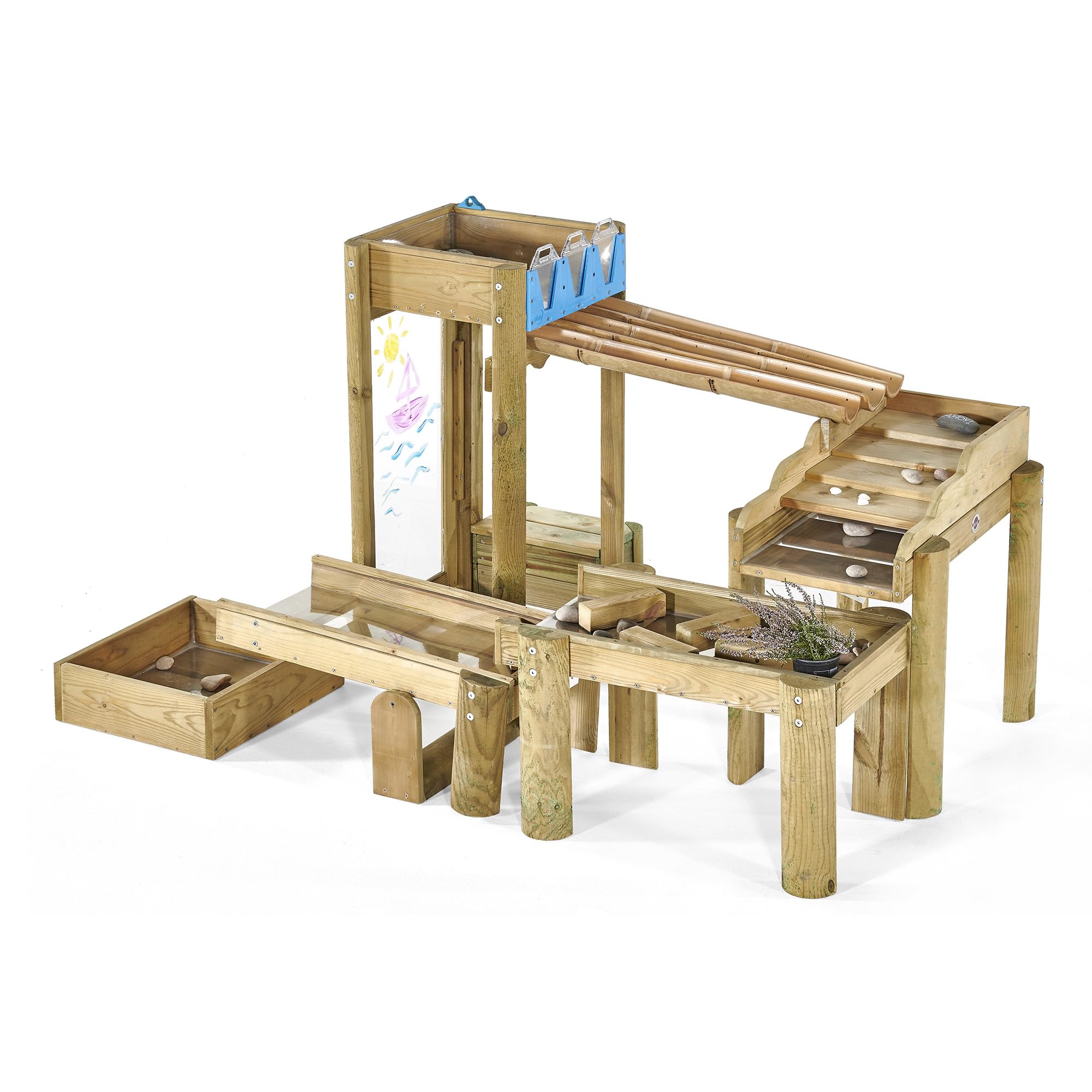
Water play is a simple and highly calming sensory activity. Using a bowl, tray, or sink, children can pour, squeeze, and splash water using cups, sponges, or small containers.
Warm water in particular can help relax the body and support emotional regulation. Water play also encourages coordination and problem-solving as children experiment with movement and flow.
Always supervise water activities and keep them simple to avoid overstimulation.
3. Playdough or Clay Play
Playdough is excellent for providing proprioceptive input, which helps children understand how their bodies move and feel.
Squeezing, rolling, and pressing playdough strengthens hand muscles and supports fine motor development. These movements can also help children feel more grounded and calm.
You can use shop-bought playdough or make your own at home for a cost-effective option.
4. Sensory Bottles
Sensory bottles, sometimes called calm-down bottles, are filled with liquid, glitter, and small objects to create slow-moving visual effects.
Watching the contents settle can have a calming effect and help children focus their attention. These are particularly useful during moments of stress or transition.
They are also easy to make at home using water, oil, and craft materials.

Want to make your own sensory bottles? Download this free, simple step-by-step guide to get started at home.
5. Shaving Foam or Foam Play
Foam play introduces a completely different texture for children to explore. Shaving foam can be spread on a tray or table for drawing shapes, patterns, or simply exploring the feeling.
This type of messy play supports creativity and sensory exploration. It can also be a fun way to encourage children to engage with textures they may usually avoid.
Always use child-safe products and supervise closely.
6. Sensory Walk (Indoor or Outdoor)
A sensory walk involves walking across different textures using bare feet or hands. This can be created indoors using cushions, rugs, and soft mats, or outdoors using natural surfaces like grass, sand, and stones.
Experiencing a variety of textures supports the development of tactile processing, while walking, balancing, and shifting weight helps strengthen coordination and body awareness. Movement-based activities like these are important for developing motor skills and confidence in children, particularly in early years. Engaging in regular physical play also supports overall development, including balance and coordination.
Sensory walks are a simple way to combine movement and sensory input, encouraging children to explore their environment in a hands-on and engaging way.
7. Calming Sound Play
Sound can have a powerful effect on mood and focus. Introducing gentle sounds such as soft music, rain sounds, or white noise can create a calming sensory experience.
Children can also explore sound through simple instruments like chimes or drums, helping them develop listening skills and creativity.
Giving children control over sound, such as choosing music, can support independence and emotional regulation.

8. Deep Pressure Play
Deep pressure activities provide calming input to the body and can help children feel more secure and regulated. Simple activities include using cushions, blankets, or gentle “squeeze” games where light, even pressure is applied.
Research shows that deep pressure stimulation can help reduce anxiety and promote a calming response in the body by influencing the nervous system. This type of input is often used in sensory integration approaches to support emotional regulation and focus. You can read more about this in research on deep pressure and its calming effects.
Deep pressure play can be especially helpful before bedtime or during moments of stress, helping children feel more grounded and settled.
9. Light and Visual Play
Visual sensory play can be both calming and engaging. Using torches, fairy lights, or simple projectors in a dim room can create interesting light patterns for children to explore.
Slow-moving lights can help with visual tracking and focus, while also creating a relaxing environment.
This type of play works particularly well as part of a calming routine or quiet time activity.

10. Sensory Tray Rotations
A sensory tray is similar to a sensory bin but often smaller and easier to change regularly. Rotating materials keeps children engaged and allows you to introduce new textures and activities.
For example, one week you might use rice and scoops, and the next week switch to water beads or sand.
Regularly changing activities helps maintain interest while continuing to support sensory development.
Expert Tip
Start simple and follow your child’s interests. Some children prefer calming activities such as water or light play, while others enjoy movement or tactile experiences. Introducing one activity at a time allows children to explore without becoming overwhelmed.
Conclusion
Sensory play activities can be easily incorporated into daily routines at home. They provide valuable opportunities for children to explore, learn, and regulate their emotions in a safe and engaging way.
By starting with simple activities and observing what your child enjoys most, you can gradually build a collection of sensory play ideas that support both development and wellbeing.
To stay up to date with more great ideas, activities and information for your children, subscribe to our newsletter and follow us on social media!
References & Resources
- Sensory Integration – Guardado & Sergent (2023).
- Sensory Processing and Autism – National Autistic Society (UK)
- Sensory Development Infant and Toddlers – NHS Borders Children and Young People’s Occupational Therapy Service.

